Welcome to ReggaeTownMusic.com, where we invite you to explore the vibrant world of reggae culture. This genre started in Jamaica, inspired by folk traditions. It grew into a global force that touches hearts everywhere.
We see music as a universal language. This article is your guide to the journey that connects us through music. We’ll look at how this sound grew from island roots to a worldwide phenomenon that shapes our world today.
Understanding the history of the music helps us appreciate its message of unity and peace. Join us as we celebrate the lasting impact of this reggae culture on our lives.
Key Takeaways
- The genre originated from traditional Jamaican folk music styles.
- It has transformed into a significant global movement over several decades.
- Music serves as a bridge that connects diverse audiences worldwide.
- The sound continues to influence contemporary social and artistic trends.
- ReggaeTownMusic.com provides a dedicated space to explore these rhythmic roots.
The Origins of Reggae Music
The rhythm of reggae music comes from Jamaica’s rich history. It didn’t start overnight. It grew from a mix of local stories and creative sounds.
Roots in Jamaican Sounds
In the 1940s and 1950s, mento music laid the groundwork. It mixed African rhythmic influences with European tunes. This created a unique sound.
The Jamaican influence was strong in this music. It showed the people’s strength and spirit. Musicians used acoustic instruments to share stories of everyday life. This was the start of something new.
Influence of Ska and Rocksteady
As Jamaica moved toward freedom, music changed fast. Ska was a quick, lively style that captured the excitement of the time.
Then, rocksteady came along, with a slower, bass-heavy beat. These genres were a vital musical bridge. They led to the reggae sound we know today.
Bob Marley: The Icon of Reggae
Talking about reggae isn’t complete without Bob Marley. He made the music known worldwide, spreading its message far and wide.
His work went beyond borders, making reggae music a language of peace and unity. Even now, the Bob Marley legacy inspires artists. They draw from the Jamaican influence that shaped his career.
Key Characteristics of Reggae
The Caribbean sound is known for its catchy rhythm. It has a relaxed beat and focuses on low sounds.
The music’s steady bass line makes it feel solid and hypnotic. This makes reggae stand out from other music styles.
The Distinctive Rhythmic Patterns
At the core of reggae is the tight interplay between drums and bass. Unlike other genres, reggae focuses on the third beat.
This “one drop” technique adds space and anticipation. The drums create a steady beat that makes us move naturally.
Use of Offbeat Guitar Chops
Offbeat guitar chops, or “skank,” are key. They involve playing short chords on the upbeat.
These sharp chords contrast with the deep bass. Together, they create the unique groove fans love.
Lyrical Themes in Reggae
Reggae music is also a powerful way to tell stories. It often reflects the real-life experiences of Jamaican workers.
Songs often comment on inequality, poverty, and justice. This connection to real life makes the Caribbean sound relatable and meaningful.
The Impact of Reggae on Society
The Caribbean sound has grown to tackle big social issues. It’s more than just music for fun.
It acts as a vital mirror to the world. It shows us the tough parts of life and the strength of hope. It gives a voice to those who are often ignored, changing how we see politics through music.
Social and Political Messages
Reggae let people share their anger about unfair systems. Artists spoke out for the working class and called for change.
These songs were a call to action for everyone. Musicians mixed hard stories with catchy tunes, making their messages global.
Reggae as a Tool for Change
The music sparked action in communities facing big problems. It made justice and equality real, not just ideas.
The Caribbean sound gave people the courage to fight against unfairness. It turned music events into places for growth and awareness.
Community and Unity in Reggae
At its heart, the genre talks about unity and brotherhood. It brings people together, beyond cultural differences.
It creates a feeling of belonging, pushing us toward a brighter future. This spirit of togetherness shows that music can truly change the world.
Prominent Reggae Artists and Bands
Reggae music’s growth is thanks to a few visionary artists. They turned local Jamaican sounds into a global hit. Their music pushed for social justice and spiritual awakening. This work laid the base for today’s Caribbean music.
Bob Marley & The Wailers
Bob Marley was born on February 6, 1945, in Nine Mile, Jamaica. He became the symbol of unity and love worldwide. The Bob Marley legacy still inspires artists today, blending catchy tunes with deep messages.
Peter Tosh and Burning Spear
Peter Tosh was a key member of The Wailers, later focusing on human rights in his solo career. His songs were bold and energetic. Burning Spear, on the other hand, emphasized African heritage and spiritual awareness through his music.
Toots and the Maytals
Toots Hibbert and The Maytals were crucial in shaping reggae’s early sound. Their lively shows helped connect ska with reggae’s slower beats. This shift paved the way for dancehall music, speeding up the genre for a new audience.
Reggae’s Global Influence
Jamaican rhythms now echo in cities worldwide, from New York to Tokyo. What started as a local expression has become a universal language. It connects people from all walks of life.
This rhythm has spread to music scenes in Africa, Europe, and the Americas. It’s a powerful force that brings people together.
Reggae in the United States
The United States has greatly helped spread reggae music. From sound system culture to today’s radio, Americans love its laid-back yet powerful vibe. It’s a big part of urban music scenes, influencing radio and concerts.
“Reggae is not just music; it is a vibration that brings people together regardless of their background or origin.”
Worldwide Festivals Celebrating Reggae
International festivals are key for celebrating reggae’s lasting impact. Fans travel far to feel the authentic spirit of the music live. These events create a global community, united by love for the beat.
Collaborations Across Genres
Reggae stays fresh by teaming up with other genres. It blends with pop, hip-hop, and electronic music, attracting new fans. These dynamic collaborations keep the music’s message alive in today’s fast-changing world.
Reggae Subgenres Explored
Reggae has evolved into many subgenres over the years. Each one has its own style and cultural importance. This shows how versatile and rich the genre is.
Dancehall: The Dancefloor’s Beat
Dancehall music started in the late 1970s. It’s fast and digital, perfect for clubs. Dancehall music is known for its catchy beats and high energy. It’s a big hit in today’s nightlife, always changing to keep the party going.
Dub: The Art of Remixing
Dub is all about remixing. It’s when producers remove vocals to focus on bass and drums. They add echo and reverb to create a unique, hypnotic sound. This has changed how music is mixed today.
Reggaeton: The Modern Hybrid
Reggaeton has become a global hit in recent years. It’s a mix of Caribbean rhythms and modern production. It takes inspiration from dancehall music but adds Latin flavors. This makes it popular in the U.S. and worldwide.
Fashion and Style in Reggae Culture
The reggae lifestyle is more than just music. It’s about identity and social awareness. The way people dress shows their pride in their culture. Every choice in fashion tells a story of history and belief.
Iconic Reggae Fashion Trends
Reggae fashion is all about comfort and being true to oneself. People wear loose clothes for easy movement. Natural fabrics like cotton and linen are popular, showing a love for the earth.
Bright, bold patterns are big in reggae fashion. These patterns celebrate heritage and creativity. They show a person’s connection to the music’s energy.
Symbolism in Clothing Choices
Clothing in reggae culture means more than looks. The colors red, gold, and green are key. They stand for unity, justice, and African diaspora history.
Pan-African themes are also big in reggae fashion. These designs show a commitment to social awareness and unity. They carry the music’s message into everyday life.
The Role of Dreadlocks
Dreadlocks are a big part of the reggae lifestyle. They’re not just a hairstyle; they’re a spiritual journey. They show a rejection of society’s norms and a love for nature.
Keeping dreadlocks is a big commitment. It shows authenticity and self-acceptance. In reggae culture, hair is a symbol of roots and personal growth.
Reggae and Spirituality
Reggae music is deeply connected to the Rastafari movement. This spiritual base gives the music its unique soul and message of hope. It serves as a bridge to a higher consciousness.
Rastafari: The Faith behind the Music
Rastafarian beliefs are at the heart of this movement. They focus on peace, love, and fighting against oppression. For many artists, the music is a form of prayer or meditation.
Ganja is seen as a sacred sacrament in this culture. It helps with deep contemplation and spiritual clarity. This is reflected in the music, tying the reggae lifestyle to ancient traditions.
Reggae Songs with Spiritual Messages
Many iconic tracks are spiritual guides. They talk about redemption, justice, and faith in hard times. Every bassline and drum beat shows devotion.
Artists share messages of unity and love. They encourage listeners to reflect on their connection to the creator. This focus on the spirit deeply resonates with people worldwide.
Connection to Nature and the Divine
The reggae lifestyle deeply respects nature. Followers believe the earth is a gift to protect and honor. This belief comes from their Rastafarian beliefs, seeing the divine in all living things.
Living in harmony with nature is key to their existence. This connection is essential to the music’s sound and themes. The genre invites us to find peace and spiritual fulfillment.
The Role of Music Festivals
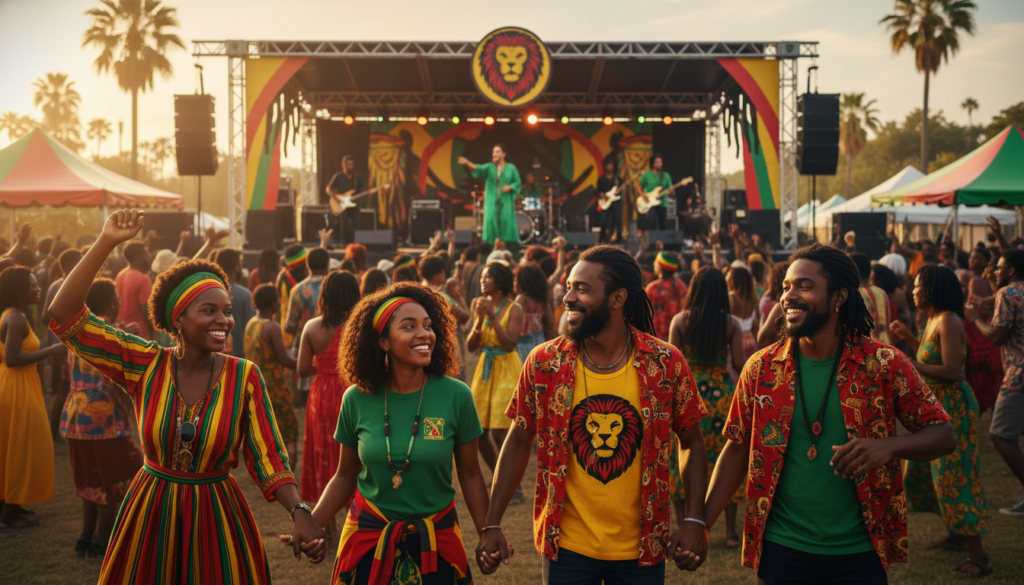
Attending a live reggae festival connects us deeply to the genre’s roots. These events are vibrant hubs where the music’s spirit shines for fans. They offer a glimpse into the history and soul of this powerful music.
Notable Reggae Festivals to Attend
Iconic events worldwide celebrate the legends of reggae. For example, Reggae Sumfest in Jamaica is a top spot for an authentic experience. These festivals let us see top performances in beautiful settings that inspired the music.
Community Experience at Festivals
These festivals bring people together, fostering unity. They often include Rastafarian beliefs, creating a peaceful atmosphere. This setting helps us connect with others who share the music’s message of love and justice.
The Future of Reggae Events
Looking ahead, these events are changing to reach new fans. Organizers mix traditional values with modern tech, keeping the vibrant energy alive. By honoring Rastafarian beliefs and innovation, these festivals will keep the global reggae community strong.
Youth Engagement in Reggae Culture
The future of reggae culture is in the hands of a new generation. Young people worldwide are finding the unity and justice in this music. They keep its values alive in our world today.
Reggae Education in Schools
Teaching reggae’s history is key to keeping its authentic spirit. Schools that teach Jamaican musical roots help students appreciate the struggles behind the sound. This education shows that reggae culture is a story of resilience.
Youth Artists Promoting Reggae
A new wave of musicians is keeping the genre alive. They mix traditional sounds with new ones to attract young listeners. Their creativity keeps the music fresh and meaningful for today’s youth.
Online Communities Focused on Reggae
Digital spaces are crucial for fans to connect and share their love. Sites like ReggaeTownMusic.com are where fans find new music and talk about the scene. These communities help spread reggae culture globally through technology.
The Future of Reggae Music
Reggae music is growing and expressing itself powerfully. Artists are pushing limits and reaching fans worldwide. This journey looks bright.
Evolution and Experimentation
Today, producers mix digital sounds with traditional roots. This keeps reggae music exciting for new fans. The sound evolves, yet the heart remains true.
Reggae’s Adaptation to Modern Trends
Digital platforms and streaming change how we find and share music. Artists connect with global audiences quickly through social media. This keeps the message of unity alive in our fast world.
Preserving Authenticity in a Changing World
The music’s soul is in its honest stories and social awareness. Keeping this true requires innovation and respect for the past. By honoring history, reggae music will inspire change for years.
Share your favorite reggae tracks or artists with us. Let’s keep this lively conversation going.