Join us as we delve into the lively beginnings of a sound that reshaped the world. This movement sprouted in the late 1960s in Jamaica. It captured the essence of the island nation.
The reggae genre emerged from local styles, mixing traditional beats with modern messages. Artists turned their personal struggles into a language of peace and unity for all.
Exploring Jamaica reggae uncovers the cultural changes of that era. Our journey through reggae history highlights the legends who made this local beat a global phenomenon. It’s a sound that still echoes today.
Key Takeaways
- The sound originated in Jamaica during the late 1960s.
- It evolved from earlier musical styles like ska and rocksteady.
- Social and political themes remain central to the music’s identity.
- The genre serves as a powerful voice for the island’s cultural heritage.
- Global influence grew rapidly due to the unique, syncopated rhythm.
The Roots of Reggae: An Overview
The origins of reggae music are a mix of cultural influences and rhythmic experiments. By looking into the reggae roots, we see a blend of African folk, jazz, and American R&B. This mix laid the groundwork for a global musical movement.
Influences from Ska and Rocksteady
The move from ska to rocksteady was key in shaping reggae music. Musicians slowed down ska’s fast pace, embracing rocksteady’s smoother sound. This change highlighted the bass line and the genre’s unique rhythm.
Artists found that a slower beat let lyrics shine. This was a creative breakthrough that gave the music room to breathe. It set the stage for modern reggae’s structure.
The Role of Jamaican Culture
The genre’s growth is closely tied to Jamaican culture and history. Reggae culture became a powerful way to tell stories of life’s ups and downs. It shows the island’s people’s strength and creativity.
The music’s spirit is in every note and word. This connection keeps reggae roots true to the people’s experiences. Today, reggae culture speaks for social awareness and pride worldwide.
Pioneers of Reggae: Key Figures
We explore the legendary reggae artists who made a local sound global. They did more than write songs; they started a cultural movement. Their work is key to understanding reggae history.
Bob Marley: The Icon
Bob Marley is the most famous face of reggae. He mixed spiritual messages with catchy tunes, reaching far beyond Jamaica. His global impact made reggae a powerful tool for change.
Peter Tosh: The Revolutionary
Peter Tosh brought the revolutionary spirit to the movement. He stood strong against injustice and oppression. His music called for equality and action.
Jimmy Cliff: The Actor and Musician
Jimmy Cliff helped spread Jamaican sound through music and film. His work in movies introduced the world to Jamaica’s culture. These reggae artists are the foundation of the genre.
The Evolution of Reggae in the 1960s
In the 1960s, musicians started using new ways to make music. This led to a big change in reggae evolution. Artists moved from smooth rocksteady sounds to something more rhythmic and complex.
The Birth of Reggae as a Distinct Genre
The reggae genre really took shape when producers focused on bass and drums. They slowed the music and used the “one drop” rhythm. This made the rhythm section the main part of the song.
This was when Jamaica reggae became its own thing. It went from simple dance music to deep artistic expression. It mixed street energy with complex music.
Major Label Signings and Breakthroughs
Going from local to global was helped by partnerships. Early reggae music stars got deals to reach more people. These partnerships helped spread their music worldwide.
These moves were crucial for the genre’s growth. By reaching fans in the UK and US, reggae music became well-known. This laid the groundwork for Jamaica reggae‘s future impact.
The Global Spread of Reggae in the 1970s
The 1970s were a key time for reggae. It went beyond Jamaica to reach people all over the world. This music became a powerful force for change, spreading far and wide. It made reggae culture a global symbol of peace and awareness.
Reggae Festivals Around the World
Music festivals around the globe helped spread reggae. Big events in Europe and the Americas let artists share their message. Fans got to see the authentic energy of live music.
The Impact of Rastafarianism
Rastafarianism was at the heart of reggae in the 1970s. It brought themes of unity, resistance, and spiritual freedom to the music. This touched hearts worldwide, making reggae culture a beacon for those seeking connection.
Musical Collaborations and Cultural Exchange
Collaborations between Jamaican and international artists were key. They brought new sounds to the world. These partnerships showed that music can unite us all.
The Influence of Reggae on Other Genres
From New York streets to London studios, reggae influence is strong in today’s music. The island sounds have shaped music worldwide for years. This legacy still guides artists in their work.
Reggae’s Impact on Hip-Hop
Hip-hop in the Bronx owes a lot to Jamaican culture. DJs like Kool Herc brought toasting from the Caribbean. This style is the base of rapping today.
Producers started using drum breaks to keep people dancing. This became key in early hip-hop. The reggae influence turned simple beats into the heart of urban music.
Fusions with Dancehall and Dub
Dub music changed sound engineering. Pioneers used reverb and echo to create new sounds. This led to electronic music like drum and bass.
Dancehall mixed old and new sounds. It showed the reggae influence in today’s music. We still hear these changes in the charts, showing reggae’s lasting impact.
Reggae in the 1980s and 1990s
In the 1980s and 1990s, reggae music saw a big change. The industry started using digital production, changing the sound of music. This was a key time in the reggae evolution, as producers moved to synthesized beats.
The Rise of Dancehall Reggae
Dancehall reggae came in, changing the music scene. It focused on high-energy rhythms and bold lyrics. This new sound was made with drum machines and digital synthesizers.
This change was more than just new tech. It showed how society was changing. Dancehall let new voices talk about city life and parties with energy. By the 1990s, it was the top sound in Jamaica.
Notable Artists and Their Contributions
Some artists helped mix old roots music with new digital sounds. Yellowman and Shabba Ranks became famous worldwide. They mixed great stage presence with new vocal styles.
As the industry grew, awards started to recognize reggae’s impact. New categories for the genre showed its growing importance. This recognition helped reggae keep shaping global music for years.
Reggae’s Resurgence in the 21st Century
Today, reggae music is experiencing a big comeback. It’s a mix of old roots and new sounds. UNESCO’s recognition of reggae has helped keep its culture alive for the future.
Contemporary Artists Leading the Charge
A new wave of reggae artists is changing the game. They mix traditional beats with modern sounds. This keeps reggae fresh in today’s digital world.
These artists are big on social media and streaming. They blend old roots with new beats, winning fans worldwide. Their music stays alive and exciting.
International Reggae Festivals and Events
More festivals are popping up for reggae lovers. These events are where fans meet their favorite artists. Sites like ReggaeTownMusic.com keep everyone in the loop with tour dates and festival info.
These online tools connect local scenes with the world. They share updates, letting fans join the global reggae conversation. We think these connections are key for reggae’s future.
Regional Variants of Reggae
Exploring the regional variants of this genre shows a deep connection to history and innovation. Many listeners know the standard beat, but Jamaica reggae has many specialized styles. Each style offers a unique view of the island’s cultural identity.
Nyabinghi and Roots Reggae
Nyabinghi is the spiritual heart of the music, being the oldest form of drumming and chanting. It focuses on rhythmic patterns tied to African heritage. This style is the reggae roots that keep the genre connected to tradition and devotion.
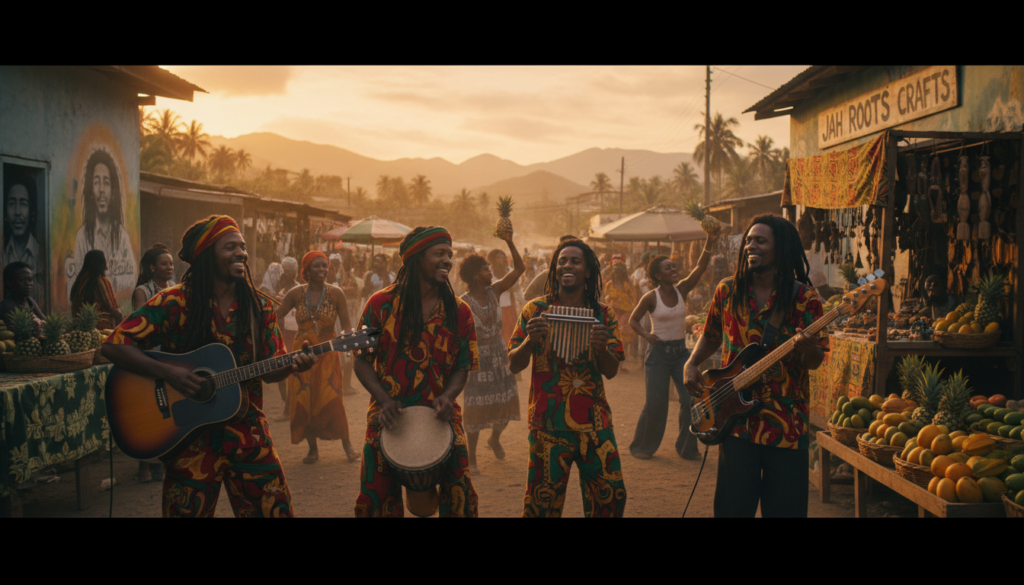
Roots reggae adds to this spiritual base with lyrics that talk about social justice and human rights. Artists use their music to bring attention to the struggles of the marginalized. This way, the message in the music stays as strong as the melody.
Dub Reggae: An Experimental Branch
Dub reggae changed how we see studio production. Engineers started removing vocal tracks, focusing on heavy bass lines and atmospheric echoes. This new approach made the recording studio a musical instrument itself.
By using reverb and delay, producers created a hypnotic experience for listeners. This style expanded the limits of Jamaica reggae, influencing many electronic genres. Today, we still see the effects of these early studio pioneers on music production.
The Role of Reggae in Social Movements
Reggae has been a voice for those silenced by injustice. It goes beyond music, touching politics and human rights. The reggae influence is deep and wide.
Reggae as a Voice for the Oppressed
Artists have used their music to highlight the struggles of the marginalized. They turned music into a powerful tool for resistance. This helped bring attention to poverty and the quest for dignity.
Reggae connected people worldwide, showing solidarity in the face of hardship. It showed that the reggae influence can unite across cultures. This unity was built on a shared fight for justice.
Protest Songs and Their Impact
Protest songs were key in the movement, turning personal stories into calls for change. These songs did more than entertain; they challenged the powerful and demanded justice.
“The music is the message, and the message is the truth.”
These songs inspired fights for equality and justice. The reggae influence shows that art can spark meaningful social transformation. It keeps the fight for a better world alive.
Iconic Reggae Albums that Shaped the Genre
To understand the reggae genre, we must look at key records. These albums did more than entertain; they spread a sound from Jamaica to the world.
These works show how reggae music went from a local to a global phenomenon. They are crucial for anyone wanting to dive into the genre’s history and depth.
“Catch a Fire” by Bob Marley & The Wailers
In 1973, Catch a Fire introduced the world to the Wailers’ power. It mixed Jamaican roots with international rock appeal.
The album highlighted the group’s raw talent and political awareness. It’s a key piece of the reggae genre, showing music can be both popular and meaningful.
“The Harder They Come” Soundtrack
The 1972 soundtrack for The Harder They Come was a game-changer for reggae music. It brought Kingston’s authentic sounds to screens in the U.S. and Europe.
With tracks by Jimmy Cliff and others, the album captures the era’s spirit. It’s highly recommended for those exploring the early reggae sound.
Reggae and Its Influence on Popular Culture
The reggae culture has left a big mark on entertainment worldwide. It’s not just music; it’s a way to express feelings through sound and sight. This unique vibe helps creators take viewers on a journey of calm and truth.
Reggae in Film and Television
The reggae influence in movies started with films that showed Jamaica’s energy. These films set a look that’s still linked with reggae today. They introduced a lifestyle that many found exciting and bold.
“Music is the weapon of the future.”
Today, TV uses reggae to create a relaxed or sunny mood. It’s used in travel shows or dramatic scenes to add depth. This keeps the music’s spirit alive for new fans.
Reggae in Advertisements
Brands use reggae culture to link their products with freedom and happiness. They tap into the iconic island sounds and images. This makes a strong bond with customers, especially when promoting a carefree vibe.
The reggae influence in ads shows its lasting charm. It turns simple ads into memorable moments that touch the heart. As we see reggae in more ads, it’s clear it’s a key part of global pop culture.
Future of Reggae: Trends and Innovations
The beat of reggae music is alive and well around the world. New artists are breaking new ground. They mix modern sounds with the heart of the past.
This keeps the message of reggae fresh for new listeners. It’s a vibrant mix of old and new.
New Sounds and Global Collaborations
Today, producers mix digital sounds with classic beats. This reaches more people than ever before. Artists like Chronixx and Koffee blend old and new styles.
These global teams keep reggae alive in clubs and online. They bring the genre to new fans.
Preservation of Traditional Reggae Roots
We must respect the roots while exploring new sounds. Keeping the true reggae spirit alive is key. It’s about honoring where it came from.
Supporting artists who stay true to the genre is crucial. Share your favorite reggae songs. Let’s keep this music alive for future generations.